This article is written by Treasury4
The role of the chief financial officer (CFO) has evolved dramatically in recent years.
While the CFO’s primary responsibilities still include accounting, financial planning, forecasting, and compliance, these duties look different than they did just a few years ago—thanks to the rapidly evolving technological landscape.
Now, CFOs must be able to use data-based insights to drive strategic decision-making. They must stay on top of the changing (and more complex) regulatory environment. And they must implement more dynamic financial planning and risk management to adapt to various economic scenarios.
Put simply, the CFO’s job is more complicated than ever before.
While traditional treasury management systems (TMS) were adequate for CFOs of the past, today’s CFO needs more comprehensive, agile solutions to keep up with the demands of modern finance.
In this article, we’ll explore how next-generation TMSs can help support today’s CFO. But first, let’s take a quick look at how traditional TMSs are holding CFOs back…
Limitations of Traditional TMSs
Traditional TMSs served their purpose well for many years, but they come with significant limitations that hinder the effectiveness of the modern CFO’s office.
Here are some of the primary ways they fall short:
- Siloed Data and Lack of Integration: One of the major drawbacks of traditional TMSs is their inability to integrate with other financial systems and databases. This results in siloed data, making it difficult to get the whole picture of the company’s financial health.
- Limited Forecasting Capabilities: Forecasting the company’s financial outlook is a critical function for any CFO. While traditional TMSs can crunch historical numbers, they fall short when it comes to predictive analytics, which leverages technologies like machine learning.
- Inflexible Reporting and Analytics: In today’s dynamic business environment, CFOs need flexible reporting and analytics tools that can provide real-time insights. Traditional TMSs often have rigid reporting structures, making it challenging to customize reports based on specific needs.
- Slow Implementation and Update Cycles: Implementing or updating a traditional TMS can take months, if not years. And manually entering the data is a painstaking, error-prone process.
- High Cost of Ownership: Between licensing fees, maintenance, and the IT resources needed to keep things running, the total cost of ownership for traditional TMS can add up quickly.

The Modern CFO’s Office: New Demands, New Solutions
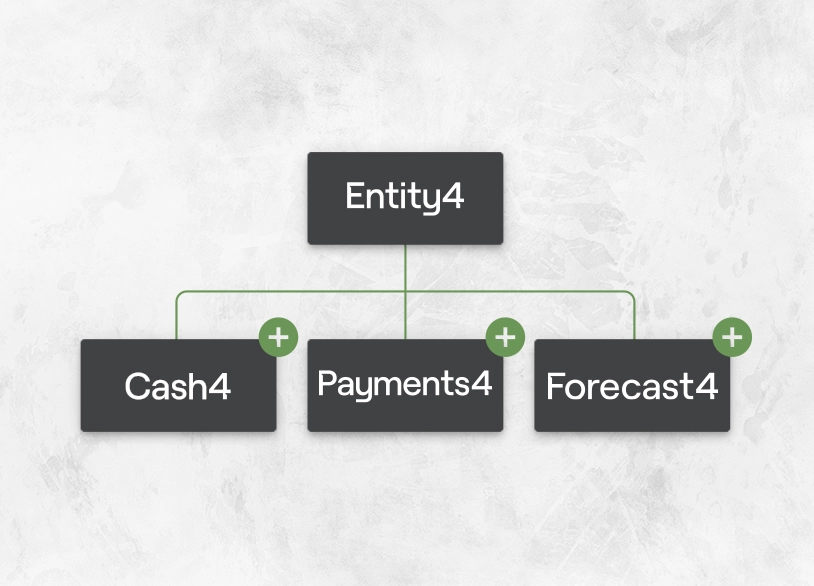
To address these challenges, modern CFO offices are turning to next-generation financial management platforms, which offer a range of advanced features and capabilities. These solutions include:
- Real-Time Cash Visibility Across All Accounts and Entities: Modern TMSs provide real-time visibility into cash positions across all accounts and entities. This feature enables CFOs to make informed decisions quickly and efficiently to drive business growth.
- Advanced Forecasting: Thanks to machine learning and AI, next-gen TMSs offer advanced forecasting capabilities—allowing CFOs to predict future financial trends more accurately.
- Comprehensive Risk Management and Compliance Tools: From foreign exchange fluctuations to cybersecurity threats, today’s corporations face a slew of financial risks. Modern TMSs come equipped with comprehensive risk management tools that help CFOs proactively identify, assess, and mitigate risks and ensure regulatory compliance.
- Customizable Dashboards and On-Demand Reporting: Modern TMSs offer reporting tools that can be tailored to their specific needs to monitor key performance indicators and generate real-time insights.
- Increased Agility in Responding to Market Changes: When market conditions shift (and they will), modern TMSs offer the ability to respond quickly, analyze the impact, and adjust your strategy accordingly.
- Improved Operational Efficiency and Cost Savings: Automating routine tasks and streamlining workflows improve operational efficiency, freeing up CFOs to focus on more strategic initiatives. Plus, they reduce the need for manual processes and extensive IT support, lowering the total cost of ownership while boosting productivity.
Key Features to Look for in Modern TMSs
So, what should you look for when shopping for a next-gen TMS? Here are the must-have features:
- Cloud-Native Architecture: Unlike outdated on-premises installations, cloud-based solutions provide scalability and accessibility—giving you the ability to access your data anytime, from anywhere.
- API-First Approach: An application programming interface (API) allows various software programs to communicate and share data. An API-based platform ensures you can easily integrate your data across systems to get a full, unified view of your company’s financial data. It also allows you to add new tools to the system as your needs evolve.
- Advanced Analytics and Machine Learning Capabilities: Modern platforms should leverage machine learning to offer predictive analytics and scenario modeling. These features allow you to gain deeper insights and make more accurate forecasts.
- User-Friendly Interface with Customizable Workflows: Using your TMS should not involve complex training. The platform should be intuitive to use. Ideally, it should also have customizable features to meet your company’s specific needs.
- Robust Security and Compliance Features: Security and compliance are critical features of any financial management tool. Look for platforms that offer intensive security features and allow you to keep up with the latest compliance requirements.
Also Read
Join our Treasury Community
Treasury Masterminds is a community of professionals working in treasury management or those interested in learning more about various topics related to treasury management, including cash management, foreign exchange management, and payments. To register and connect with Treasury professionals, click [HERE] or fill out the form below.