
Data is the new liquidity: Why Treasurers must champion technology for better data management
Our current financial environment is tech-driven, so data is no longer just a support function but a core driver of value. For treasurers, the ability to manage liquidity effectively is dependent on the quality and accessibility of data. However, without the right technology infrastructure, data remains fragmented, outdated, or inconsistent. Implementing the right technology is…
 Jessica
Strategies for Setting Up a Cash Pooling Structure Across Multiple Countries and Regions
This article is written by Palm In an increasingly globalized business environment, effective cash management has become a cornerstone of financial efficiency for multinational corporations. Cash pooling, a financial mechanism that consolidates the balances of multiple accounts into a single master account, has emerged as a vital tool for optimizing liquidity, reducing costs, and enhancing…
 Franklin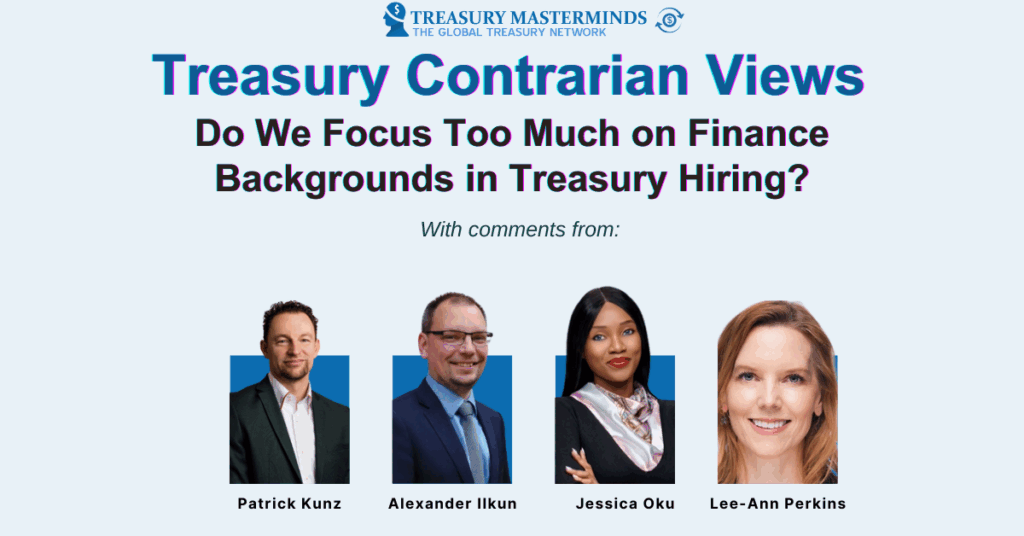
Treasury Contrarian View: Do We Focus Too Much on Finance Backgrounds in Treasury Hiring?
Traditionally, treasury professionals have been hired for their financial acumen—degrees in finance or economics, certifications, and prior banking experience. But in today’s digital-first treasury environment, here’s a bold question: Should we stop prioritizing finance backgrounds and start hiring more technologists, data analysts, and engineers into treasury teams? The Case for Rethinking Treasury Talent The Case…

You’re Doing Payments Wrong—And It’s Costing You Strategic Control
Why centralization alone isn’t enough—and how POBO and in-house banking change the game Here’s the thing most companies get wrong: they treat centralized payments like an efficiency play. Fewer bank accounts. Bulked payments. Lower admin burden. And while that’s not wrong, it’s barely scratching the surface. Because when you design centralized payments with strategy in…
 PETER.WOLF@SERRALA.COM
Why New Treasury Tech Can Fail (Before It Even Starts): The Hidden Challenge Behind Every Implementation
Resistance to change trumps cost, integrations, and tool choice — here’s what that means for your treasury transformation. When it comes to implementing new treasury technology, we often focus on the big-ticket issues — budget approvals, ERP integrations, selecting the best vendor. But if our latest Treasury Masterminds poll is any indication, the real challenge…
Competence vs. Culture: What Really Drives Better Decisions in Risk Management?
This article is a contribution from one of our content partners, Avollone Competence eats culture for breakfast… Over the last few years, people have repeatedly cited culture as the big culprit behind various corporate scandals. After a scandal, new leadership quickly concludes that “the previous management and culture was the main reason behind XYZ, and…
The Economics of Liquidity: Why CFOs Must Regularly Monitor and Coordinate with Their Treasurer
This article is a contribution from our content partner, Kyriba Economic factors influence corporate liquidity planning. Companies must remain vigilant to economic indicators and trends, adjusting their liquidity strategies to maintain financial flexibility and optimize resource use. By understanding and anticipating these economic impacts, firms can develop robust liquidity management practices that enhance their resilience and support long-term…
Treasury Contrarian View: Real-Time Payments — Do We Really Need Them in Treasury?
Real-time payments (RTP) are being touted as the future of finance. Fintechs are building around them. Banks are promoting them. Regulators are encouraging them. But here’s the question treasury professionals need to ask: Are real-time payments really necessary—or even useful—for treasury operations, or are we chasing a trend that solves problems we don’t have? The…
The Role of Treasury: From Operational to Strategic Leadership
The role of treasury has transformed dramatically. Treasurers have emerged as strategic leaders, pivotal in steering the strategic direction of their organizations. In this article, I’d like to touch base on a few of the critical aspects of strategic treasury leadership and stakeholder management, offering a few insights into how treasurers can cope with their expanded…
 Benjamin Defays